Disruptive events like active shooter incidents, major criminal acts, cyberattacks, and terrorist incidents rarely provide advanced warning. In today’s complex risk environment, organizations must guard against a wide range of unexpected events, including natural disasters, infrastructure failures, and civil unrest. Waiting for crises to reveal vulnerabilities is risky, as events can easily overwhelm an organization, causing significant operational and financial damage.
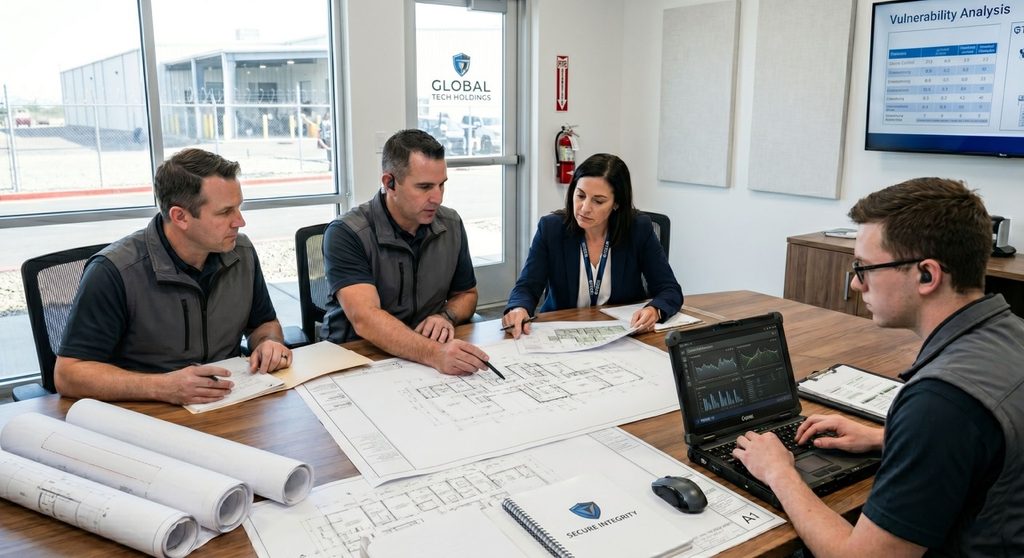
To prevent this unhappy outcome, organizations should conduct comprehensive Vulnerability Assessments to identify weaknesses actively. These assessments help protect assets and personnel and can help develop budgets that efficiently address potential threats.
While some organizations opt to conduct such assessments in-house, it is preferable to seek the guidance of an experienced security vendor. Security services providers conduct these assessments for a wide variety of clients and have the expertise and insight gained from that experience – something that non-security-focused organizations lack.
Identifying the Hazards
A strong vulnerability assessment starts with identifying all possible disruptions for your location and industry. The assessment should look beyond routine daily risks to identify geographic, industry-specific, and organization-specific threats.
Split hazards into three groups: natural disasters, technological or infrastructure failures, and human-caused events like civil unrest or workplace violence. For example, organizations in coastal areas will need to consider hurricanes, while those in inland areas may need to account for tornadoes. City-based organizations must consider disruptions from political protests or transit strikes. Industrial facilities may focus on power grid failures or hazardous leaks.
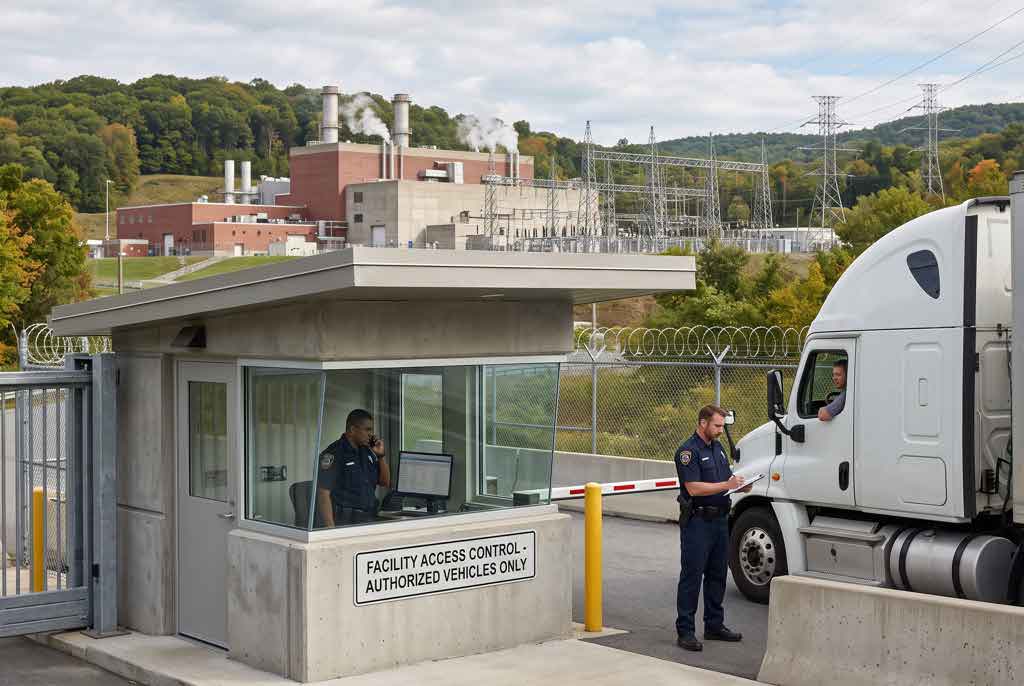
Is your location in a high-crime area? Even if not, crime data and trends should be reviewed to see if the surrounding area is changing and if additional security is needed to mitigate rising risks. Workplace incidents like active shooter events are also a pressing concern for many organizations. Details about the layout of your location, access point control, incident training for staff, and the potential deployment of armed security officers should be considered.
Listing these threats prevents hyper-focusing on headline risks and leaving other entry points exposed.
Evaluating Potential Business Impacts
After listing possible hazards, analyze two factors: likelihood and impact. Use a data-driven evaluation matrix. Avoid guesswork. For example, a severe weather event may be unlikely, but without backup power, the damage could be severe. Minor equipment issues often occur but have a low impact. Asset theft and cyberattacks can have a major impact on your organization’s reputation and bottom line.
No organization wants to be in the news because of an unfortunate event with tragic outcomes or because their operations were shut down by a predictable event. Understanding the risks you face and developing effective countermeasures can help prevent negative events from harming your organization.
These calculations also help prioritize budgets for remediation and capital improvement. Direct resources to address the highest risks first.
Assessing Asset Exposure and Core Dependencies
An assessment is only as good as your knowledge of what needs protecting. Take a thorough inventory of all critical assets. Include property, data networks, supply chain systems, and most importantly, employee safety. Security planners must examine operational dependencies both inside and outside the organization.
If a major disruption occurs, how long can you continue to operate without a key vendor? Do you have clear “shelter-in-place” zones and simple evacuation routes that are clearly understood by your staff and frequently inspected? Are your means of blocking individuals attempting unauthorized access effective? Do you have adequate alarms and monitoring services to protect assets and inventories?
Reviewing these areas highlights hidden failures, such as dependence on a single communication line or unverified vendors.
Developing Mitigation and Response Playbooks
The last step turns what you have learned into real plans to protect your business. The findings from your assessment become the basis for your company’s emergency and backup plans. This means updating daily routines, establishing procedures to warn people in emergencies, and conducting special training drills.
Instead of staff making it up as they go in a crisis, a clear plan means everyone knows what to do if they need to leave, help someone who’s hurt, or report a break-in. Regular practice guarantees everything works if a real emergency happens. Key takeaway: Actionable response plans and routine drills turn analysis into successful preparedness.
Also, does your security team or security services provider have collaborative relationships with local law enforcement and first responder agencies? Building such relationships before an incident will help ensure speedy and successful resolutions of incidents before they happen.
DSS Expertise
Navigating today’s hazardous threat landscape calls for an experienced security partner. That partner must be able to implement complex protection strategies across many environments. Doyle Security Services (DSS) provides expertise to discover vulnerabilities and secure your enterprise.
Our wide-ranging experience includes traditional physical security officer services, executive protection, intelligence gathering and integration, remote guarding, and complete cooperation and collaboration with local, state, and federal law enforcement agencies.
DSS conducts comprehensive threat assessments that identify the risks facing your organization, people, assets, and locations, and then we create all-inclusive security programs, which will effectively counter those risks and keep your organization and its reputation secure.
DSS also has strong relationships with local, state, and federal law enforcement agencies. Our Intelligence, Risk Advisory, and Strategic Initiatives (IRASI) division, headed by a former NYPD Sergeant, continually gathers and evaluates intelligence from law enforcement agencies regarding our client locations, helping to develop the most comprehensive security planning and risk assessments to lower our clients’ risk and help maintain their reputation.
Visit doylesecurityservices.com to schedule a risk consultation. Learn how our intelligence gathering, physical guarding, technology integrations, and institutional programs will safeguard your people and property.