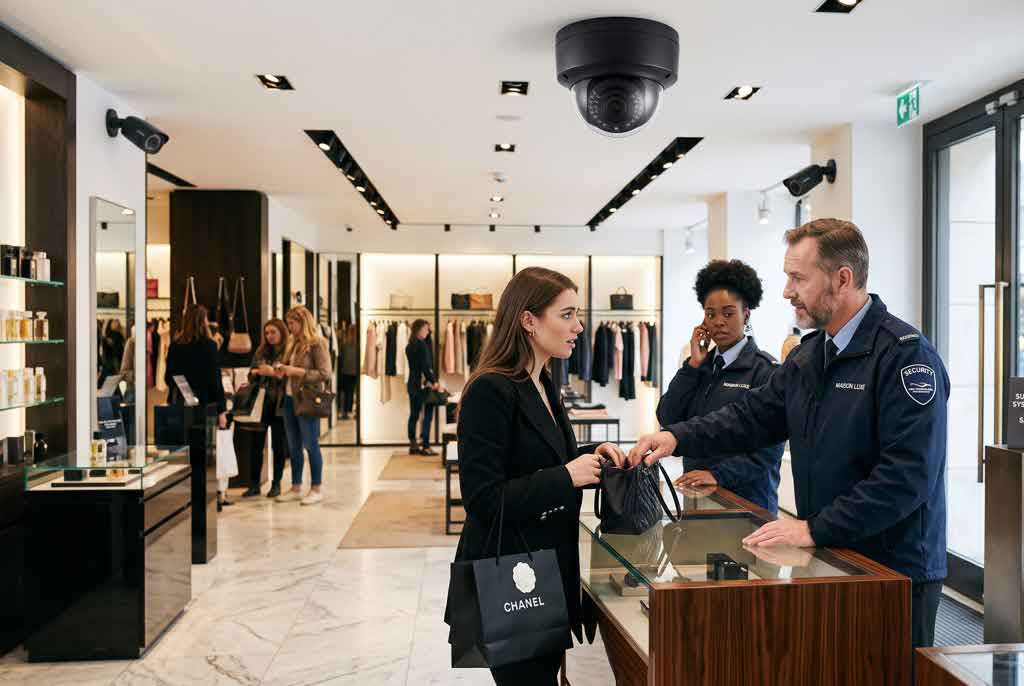
Retail theft, which is sometimes referred to as inventory shrinkage, has become a major problem for retailers over the last twenty years. Since 2019, stores have experienced an escalating theft problem, one that can dent their bottom lines, damage their reputations, and put their staff and customers at risk.

When it comes to security issues, many organizations face a dangerous gap between compliance and actual security readiness. For many business owners, security directors, and purchasing managers, meeting the annual compliance training requirement seems like a significant achievement in itself.
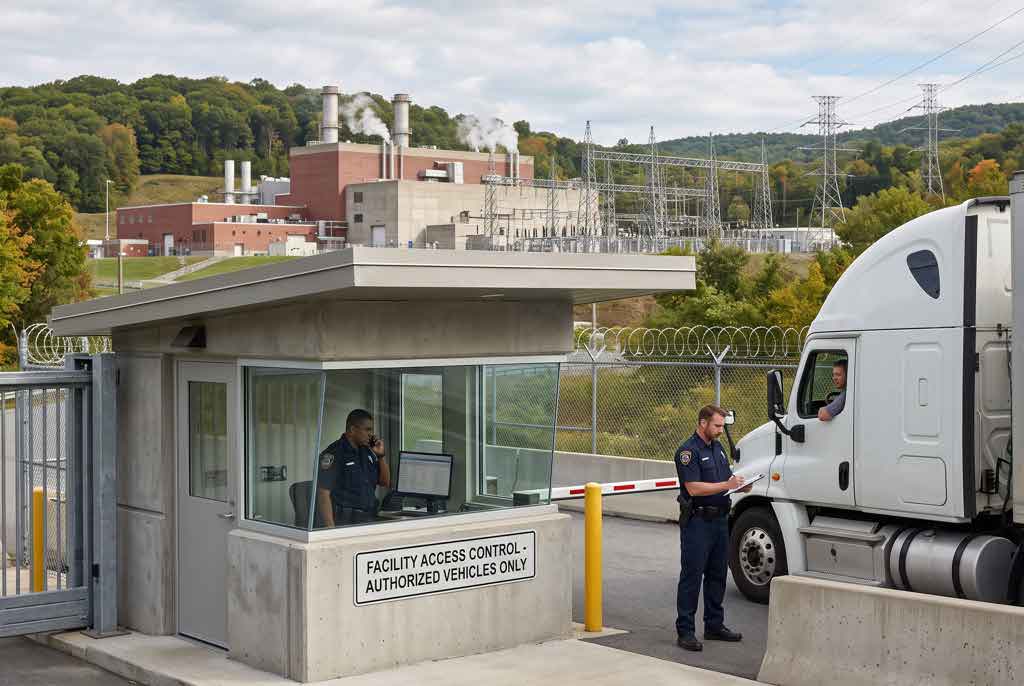
In today’s highly interconnected global economy, manufacturing and logistics facilities are essential for international commercial trade. Yet, since high-volume distribution hubs and production plants are becoming more complex and fast-moving, they also become the main targets of bad actors, who present an ever-expanding range of security threats.
At a time when physical security threats are becoming more complex, business owners and security directors must continually address the challenge of achieving complete, full-site coverage without exceeding their operating budgets.
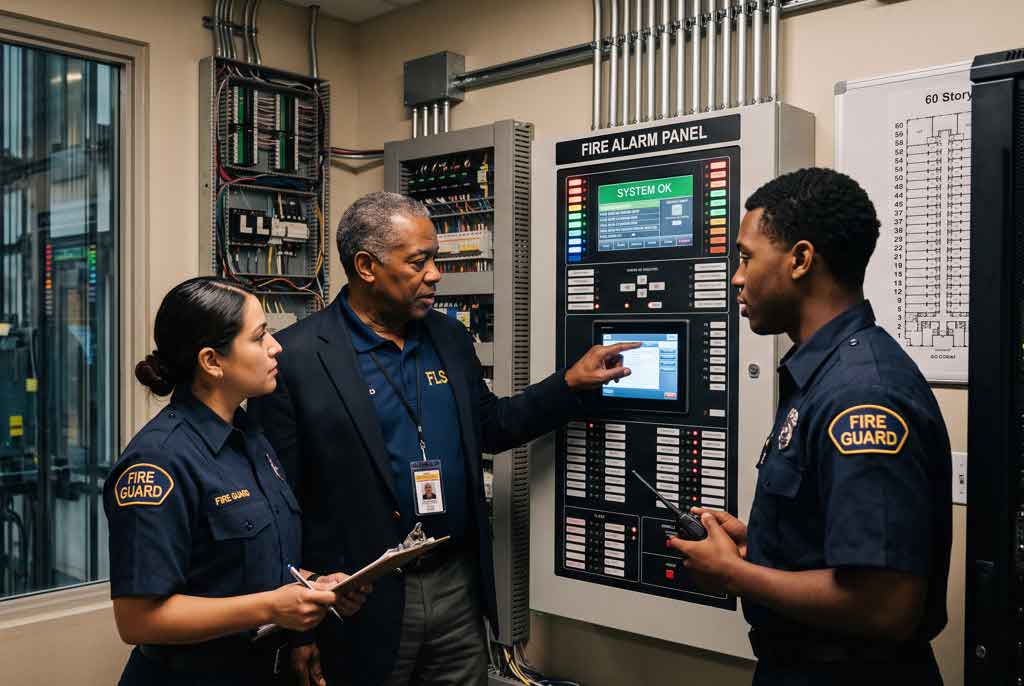
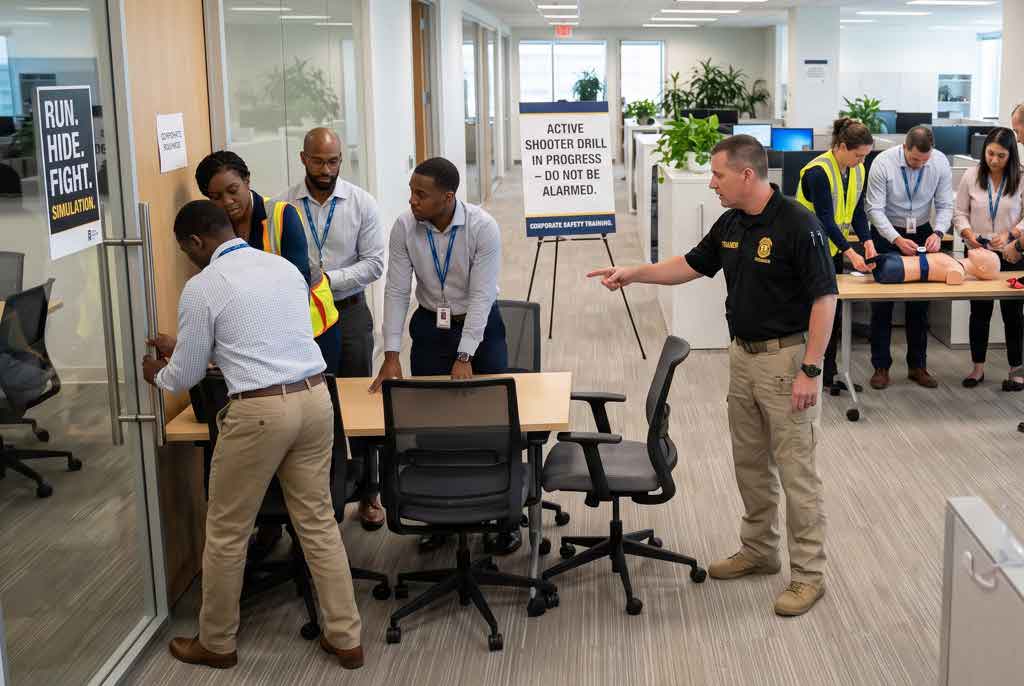
Disruptive events like active shooter incidents, major criminal acts, cyberattacks, and terrorist incidents rarely provide advanced warning. In today’s complex risk environment, organizations must guard against a wide range of unexpected events, including natural disasters, infrastructure failures, and civil unrest.
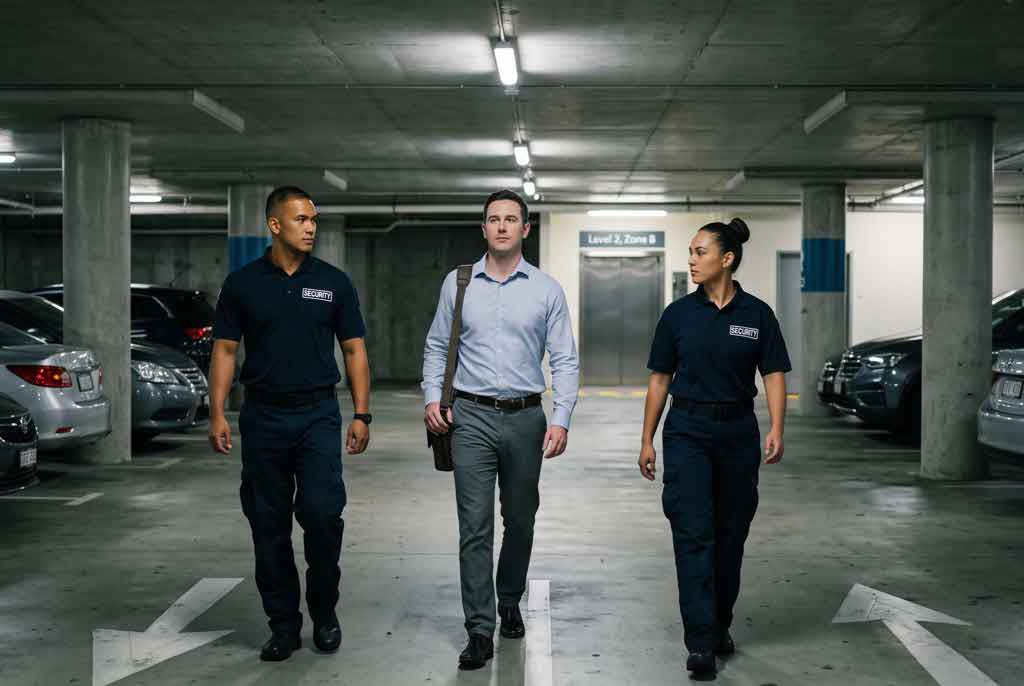
When a high-profile corporate executive arrives at a shareholder meeting, a global summit, an important board gathering, or a resort while on vacation, the transition from the vehicle to the venue looks effortless. The doors open, the leadership team walks through a secure lobby, and the event proceeds without a single operational hitch.
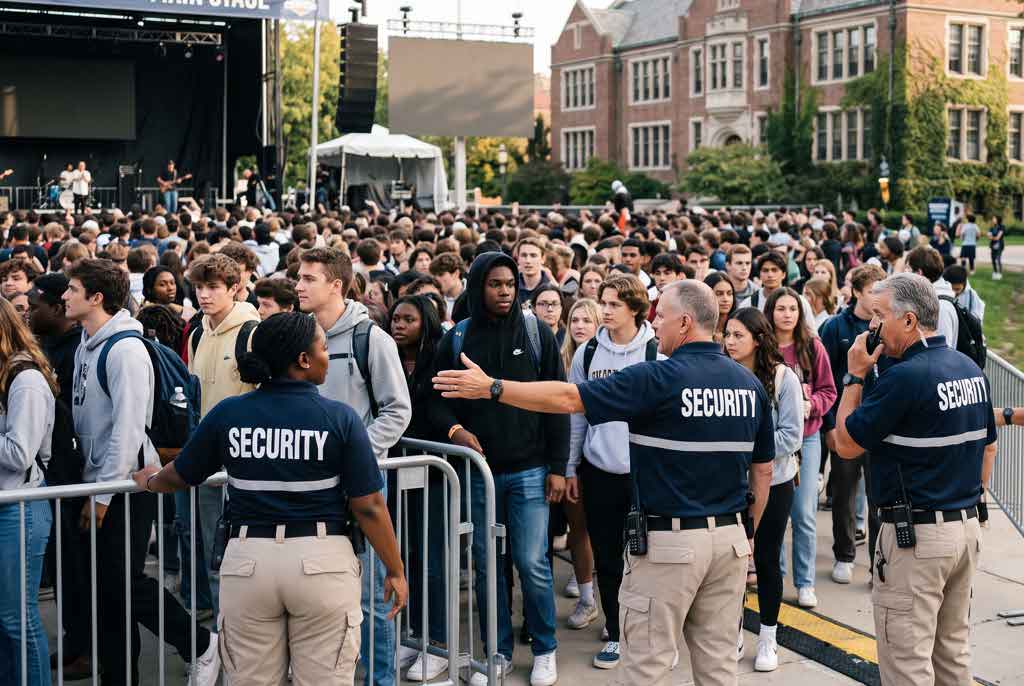
College and university campuses – whether in urban or suburban environments – operate like small cities. On any given day, a single campus handles traffic from thousands of students,
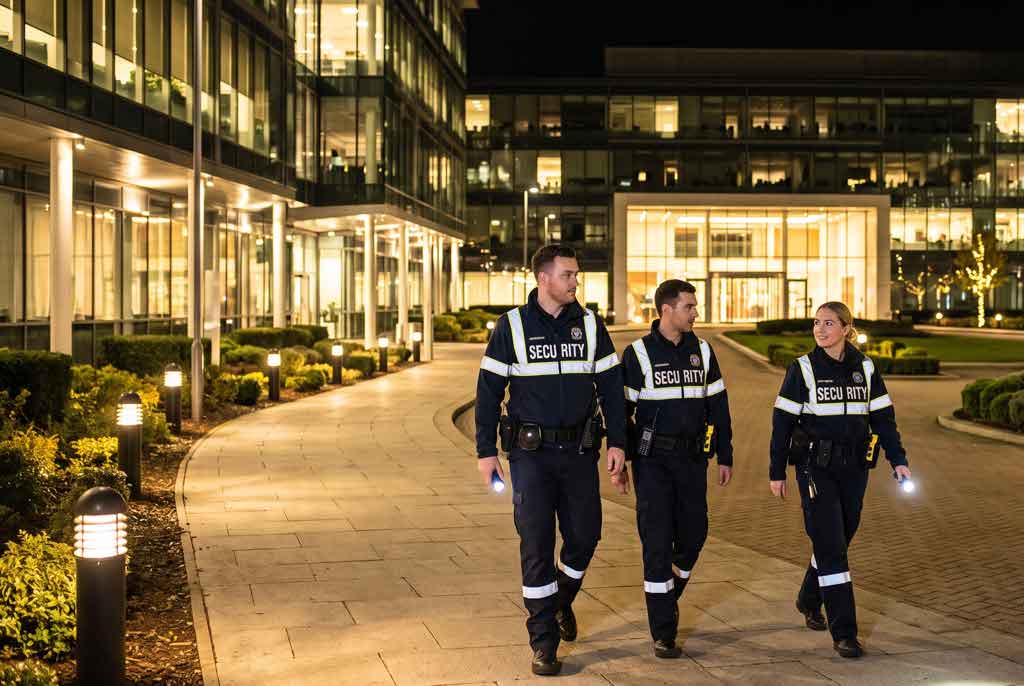
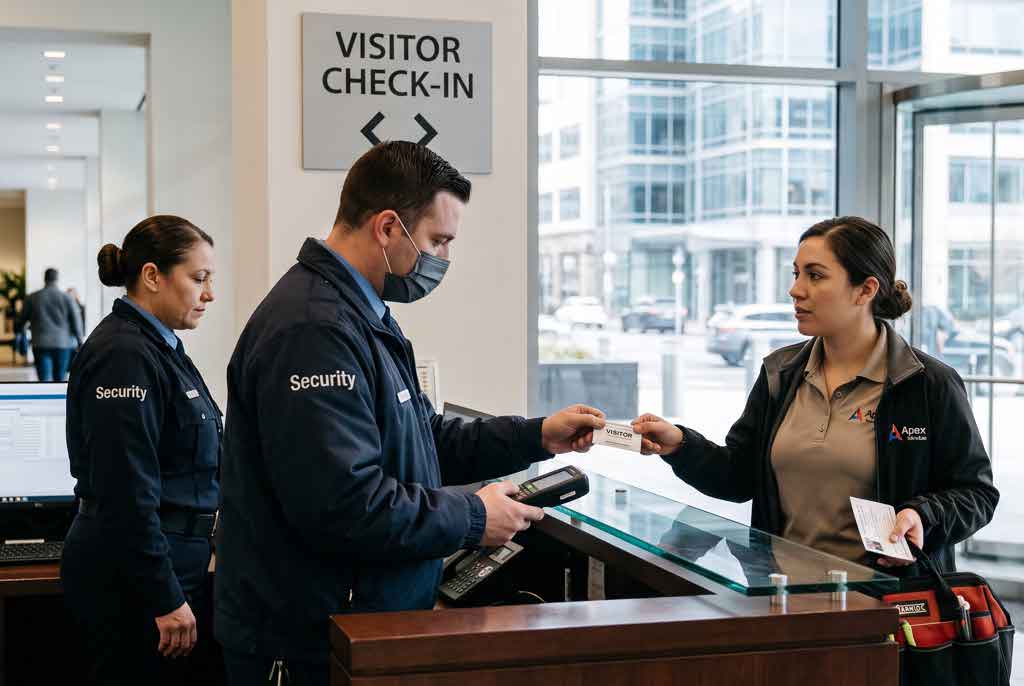
The lobby of a commercial office building or a luxury residential property serves two vital functions: it creates an immediate impression of refinement and hospitality, while providing the primary line of defense against unauthorized entry and potential safety threats.
When MacDill Air Force Base was shut down for three hours in mid-March, local reporters turned to DSS Vice President-Intelligence, Risk Advisory & Strategic Initiatives Greg Sanfilippo to help explain the situation.
Across the U.S., executives face a rising tide of threats — from online disinformation to direct violence. Recent surveys confirm what DSS sees daily: more executives are being targeted, and more companies are expanding protection beyond the office to homes and families.
Stay Ahead.
Subscribe for Expert Insights.
You can unsubscribe at any time using the link in the footer of our emails. View our Privacy Policy.