Retail theft, which is sometimes referred to as inventory shrinkage, has become a major problem for retailers over the last twenty years.
Since 2019, stores have experienced an escalating theft problem, one that can dent their bottom lines, damage their reputations, and put their staff and customers at risk. According to the National Retail Federation (NRF), shoplifting incidents jumped by double digits in recent years, while acts or threats of violence during retail thefts also jumped by significant percentages over the same period. The NRF has also noted that shoplifters have become more physically aggressive in recent years.
Thieves have become highly skilled in surveilling retail locations, identifying their vulnerabilities, and exploiting lapses in security to successfully steal merchandise. Retailers can effectively counter thieves by combining layers of security to cover common gaps in protection.
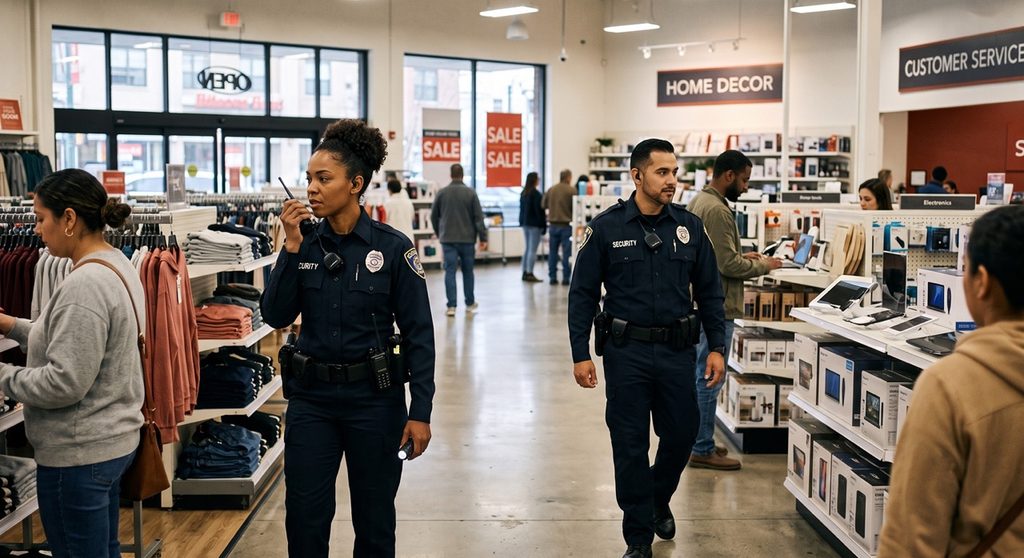
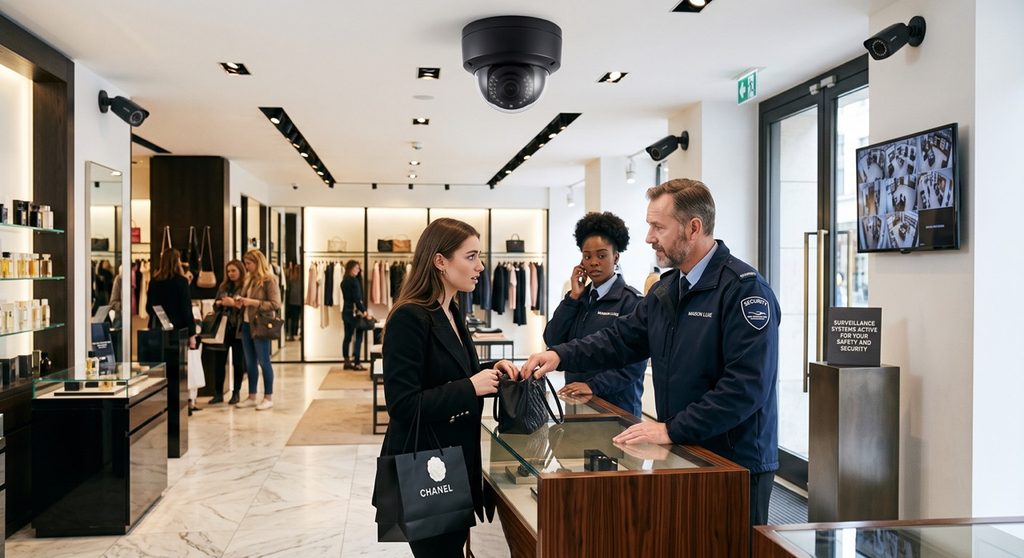
Using visible security staff together with intelligent video surveillance forms an effective preventative defense in retail environments.
The Growth of Retail Crime Gangs
Even though regular shoplifting has always been a problem, Organized Retail Crime (ORC) is becoming more common. ORC consists of coordinated theft carried out by criminal networks who resell the stolen goods in order to make a profit.
Unlike in the case of individual shoplifting, ORC involves organized groups of ‘boosters’ who steal high-value items and ‘fences’ who distribute these goods via online or underground markets.
In surveys conducted by the NRF, 67% of responding retailers attributed thefts against their companies to transnational organized retail crime groups. The NRF also found that ORC networks used a wide variety of techniques to steal from retailers, including phone scams, digital/e-commerce fraud, direct merchandise theft, and cargo or supply chain theft.
Effective loss prevention involves more than just having visible guards; it demands a well-trained guard force and electronic security measures that can recognize sophisticated criminal methods and stop theft without increasing the risks to staff or customers.
Mastering Situational Awareness
Proactive situational awareness is still the best defense against the loss of inventory. Security officers should be trained to spot the behavioral signs of theft, such as taking a number of high-value items without looking at their sizes or prices, looking for blind spots in the surveillance system, or carrying large bags with a lining in order to get around electronic article surveillance.
Good loss prevention measures do not involve chasing suspects aggressively since this can interfere with honest shoppers and warn experienced thieves. Rather, guards can position themselves in a discreet manner, maintain clear lines of sight, and work together with the monitoring teams to record behavior before making contact.
Prioritizing De-Escalation
Since retail crime groups have become more organized, they have also become more emboldened and are more likely to use violence. Data from the retail industry indicates a marked rise in cases of violence in the workplace connected with retail theft, which is why physical safety has to be the main consideration in any deployment.
Security staff in stores must receive thorough training in advanced verbal conflict resolution.
The main aim when speaking to a possible suspect should be to reduce tension and promote a calm attitude. Rather than force a physical confrontation that could put others at risk, professional guidelines should establish clear limits regarding interactions and make it clear that no goods should be risked in order to save a human life.
Building Law Enforcement Partnerships
Where retail chains are concerned, catching or deterring individual shoplifters is only one part of effective security. In order to dismantle these ORC networks, security guards have to act as competent intelligence collectors. The training given should be aimed at ensuring the careful recording of incidents, accurate documentation, and the maintenance of good quality video evidence.
Giving the information to the local law enforcement will enable the police to coordinate their efforts to better identify and combat crime networks operating in their area. Retailers should choose security services providers that have strong ties with local law enforcement agencies or else have their own in-house security departments actively work to set up such cooperation with the local police departments.
A large number of local police departments are concentrating on retail theft. They are willing to work with retailers to exchange intelligence and best practices and to cooperate in identifying and closing down retail theft networks.
Security teams can prepare thorough case files that improve the chance of successful criminal prosecutions by building close relationships with local police and retail theft task forces. This connects local thefts with broader investigations and thus helps law enforcement to dismantle fencing operations as well as protect the business community.
Finding a Trusted Security Partner
An effective loss prevention strategy requires a professional security partner who is adaptable and capable of carrying out comprehensive risk reduction programs in different environments.
Doyle Security Services (DSS) has the operational experience and specialized training necessary for protecting your assets, personnel, and corporate image.
We provide fully tailored retail security services for busy shopping malls, commercial plazas, and flagship stores by combining a well-thought-out use of visible guards with advanced situational awareness, video surveillance, alarms, and effective de-escalation techniques.
Please contact us to speak to our leadership team and find out how our specialist staff can give you peace of mind with respect to your retail properties.